
The Global Ocean Observing System (GOOS) has released its 2025 Status Report, offering the most up-to-date picture of the world’s ocean observing infrastructure. The report highlights clear advances in coverage, technology, and collaboration, yet warns that the system remains fragile without stronger, sustained investment and a more diversified partnership base.
A critical system under pressure

Credit: Balearic Islands Coastal Observing and Forecasting System (SOCIB)
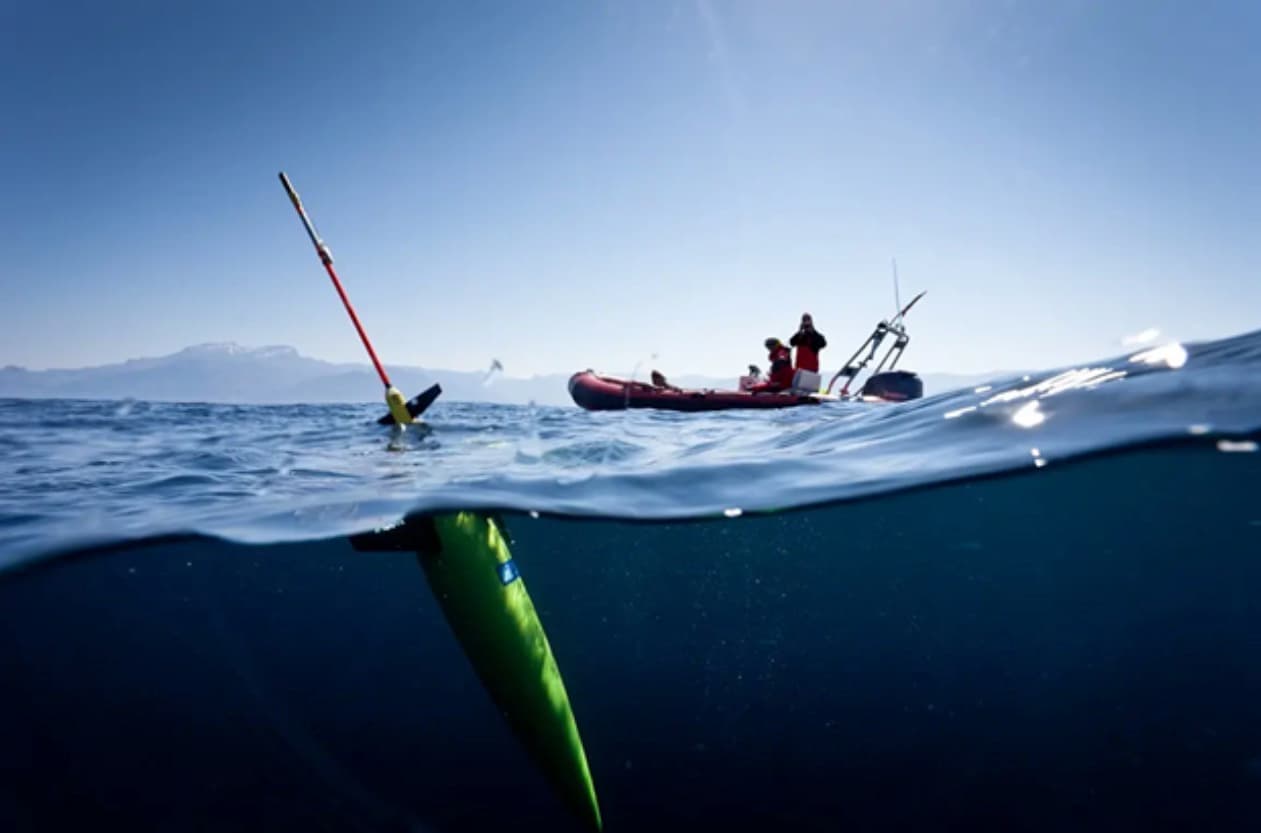
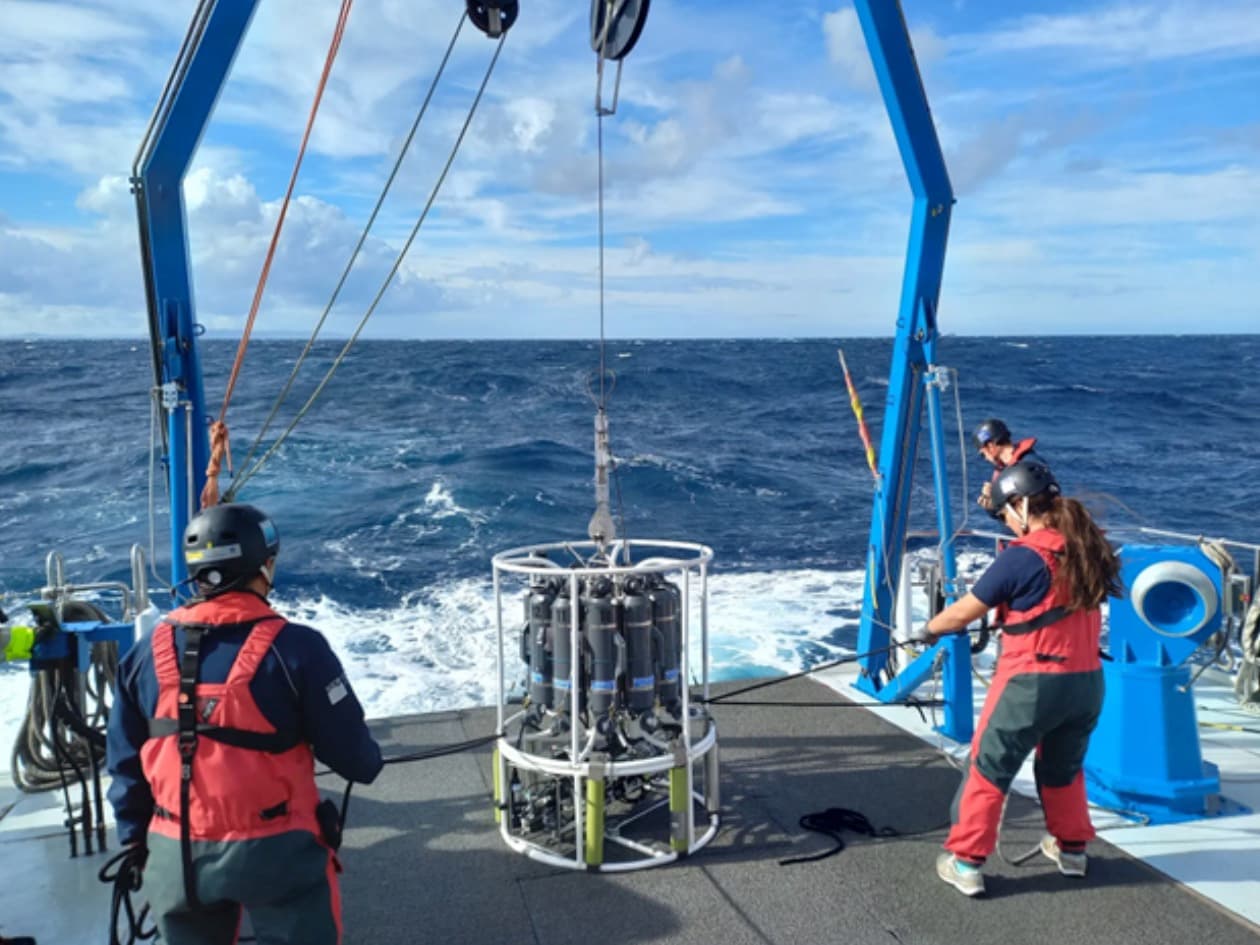
Ocean observations form the backbone of services that people depend on daily. Observations feed into ocean forecasts, weather forecasts, tsunami and hurricane warnings, climate projections, and industry guidance. They help scientists track biodiversity loss, monitor ocean acidification, understand the complex dynamics of our changing planet, and help communities prepare for the future.
The new interactive report from GOOS highlights global efforts to strengthen ocean observation capacity and deliver the data we need, but also vulnerabilities that need to be addressed to ensure societal needs are met.
“The ‘eyes’ of thousands of observing platforms feed weather forecasts, early warnings and climate prediction. They are critical to monitor ocean health and our changing climate. Better forecasts and better decision-making depend on robust data. This is a must,” says WMO Secretary-General Celeste Saulo.
Advances across climate, forecasting, and ocean health
Credit: Balearic Islands Coastal Observing and Forecasting System (SOCIB)
The report catalogues progress across key areas that support global resilience and sustainable development, including:
- Advances (and gaps to be filled) in predicting the Atlantic Meridional Overturning Circulation, a major current system that shapes global climate.
- Improved El Niño forecasts and early warning systems across South America, powered by ocean data.
- Novel observations from elephant seals equipped with sensors, supporting research and conservation in the Southern Ocean.
- South Africa’s co-designed approach to strengthening national ocean observation capacity through collaboration with communities and stakeholders.
- 10,000 Ships for the Ocean – a major new initiative to transform 10,000 commercial vessels into real-time meteorological and oceanographic observatories.
Persistent vulnerabilities and the need for new partnerships
Credit: Balearic Islands Coastal Observing and Forecasting System (SOCIB)
Despite meaningful progress, GOOS, which is led by the Intergovernmental Oceanographic Commission (IOC) of UNESCO and coordinates the global system of sustained ocean observations, warns that the system remains “subcritical.”
The number of drifting buoys and ship-based observations has declined in recent years. Geographic coverage remains patchy, with vast ocean areas still poorly monitored. The system’s heavy dependence on a limited pool of funding sources creates vulnerability to budget cuts and shifting political priorities.
“Without a resilient and coordinated global observing system, the information we rely on every day becomes uncertain, and so does our future,” warned Vidar Helgesen, Executive Secretary of the IOC.
To address these challenges, the report calls for a fundamental shift in how ocean observation is funded and managed. Rather than treating it as discretionary spending subject to annual budget pressures, governments need to recognise ocean monitoring as critical global infrastructure deserving long-term, coordinated investment. The report also advocates for deeper engagement with private sector partners, particularly the shipping industry, to expand coverage and ensure system resilience.
“Faced with the fragility of the observing system and the constraints of decreasing budgets, we must innovate through stronger partnerships,” says OceanOPS Manager Mathieu Belbeoch. “This is why we are deepening our collaboration with the shipping industry – to harness the potential of these new partners and expand the automation and scale of ship-based observations.”
GOOS Director Joanna Post calls for “A new economic mindset [for] GOOS: one that ensures long-term, coordinated investment in ocean observing as a shared global critical infrastructure – securing its future and unlocking its full potential for people and the planet.”
A tool for advocacy and decision-making
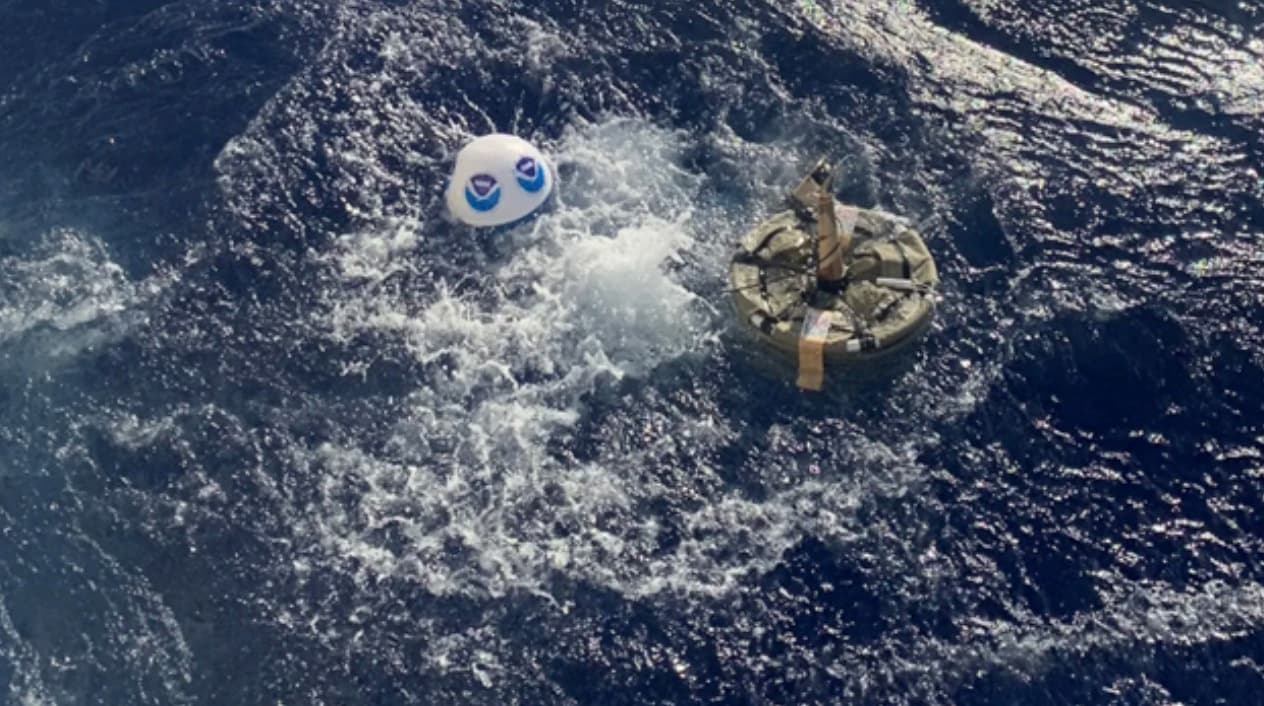
Credit: NOAA
The 2025 Status Report introduces a refreshed, interactive format designed to make information more accessible for policymakers, funders, and the wider public.
Created as an interactive report, it offers an up-to-date overview of the global ocean observing system and its observing networks monitored by OceanOPS – the joint World Meteorological Organization and IOC operational centre of GOOS. The report also shares stories that explain how ocean observations are guiding science and policy, as well as helping us respond to some of the major challenges facing our ocean today.
It calls on governments, funders, and partners to work together in strengthening the backbone for met-ocean information needed for a resilient future.
“Without a resilient and coordinated global observing system, the information we rely on every day becomes uncertain, and so does our future,” says IOC Executive Secretary Vidar Helgesen.
Access the full interactive report: https://www.ocean-ops.org/goosreport/