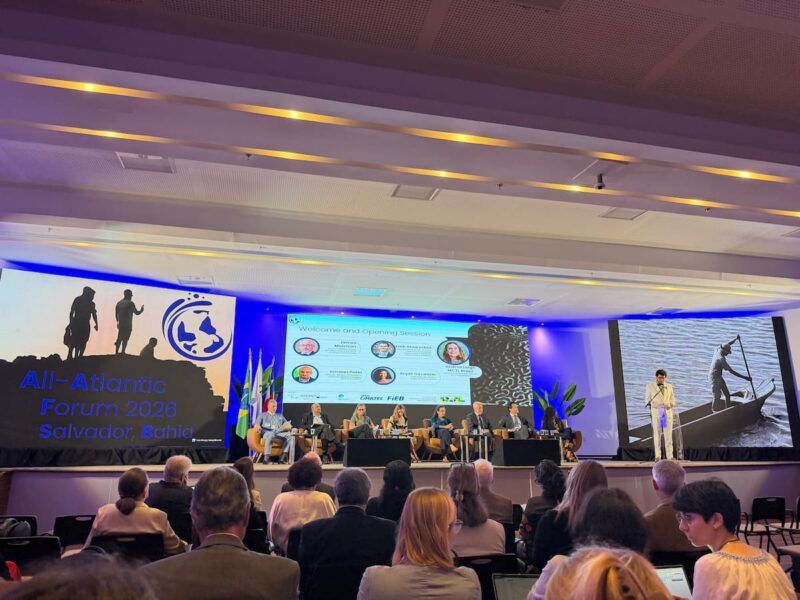
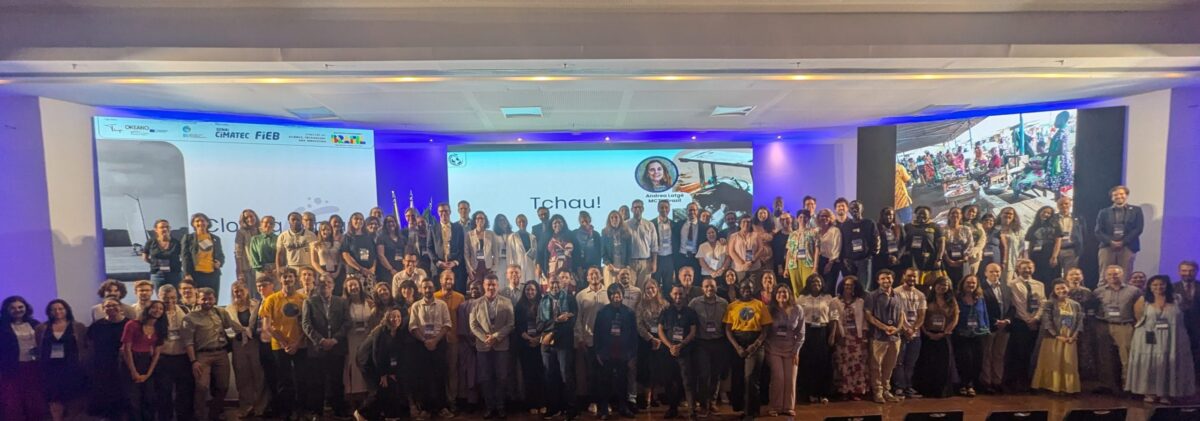
The 2026 All-Atlantic Ocean Research and Innovation Alliance (AAORIA) Forum brought the Atlantic community to Salvador de Bahia, Brazil, in April, placing ocean observation, coastal resilience, digital tools, polar science, and intergenerational cooperation at the centre of Atlantic collaboration. The Forum was hosted by Brazil’s Ministry of Science, Technology and Innovation and SENAI CIMATEC, with support from the Horizon Europe-funded OKEANO project.
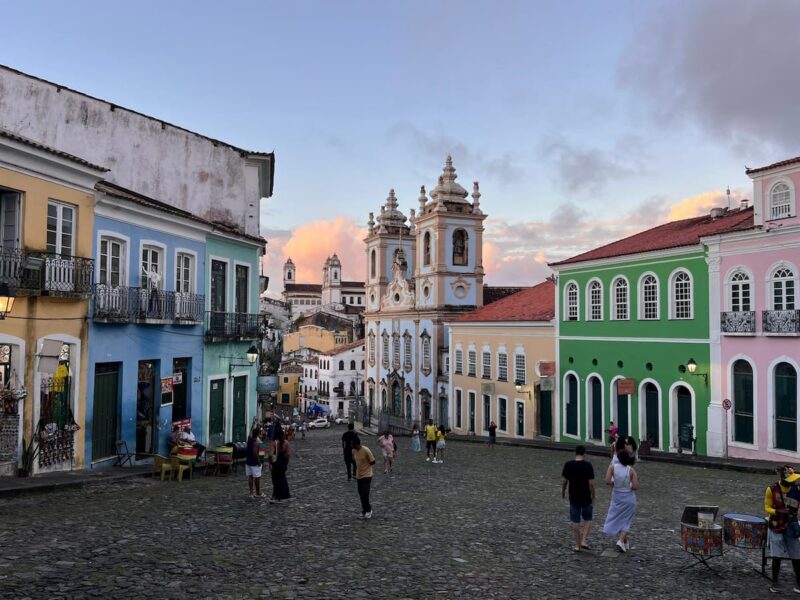
Credits: Brazilian Ministry of Science, Technology and Innovation (MCTI), the OKEANO CSA and CNPq.
A shared Atlantic agenda
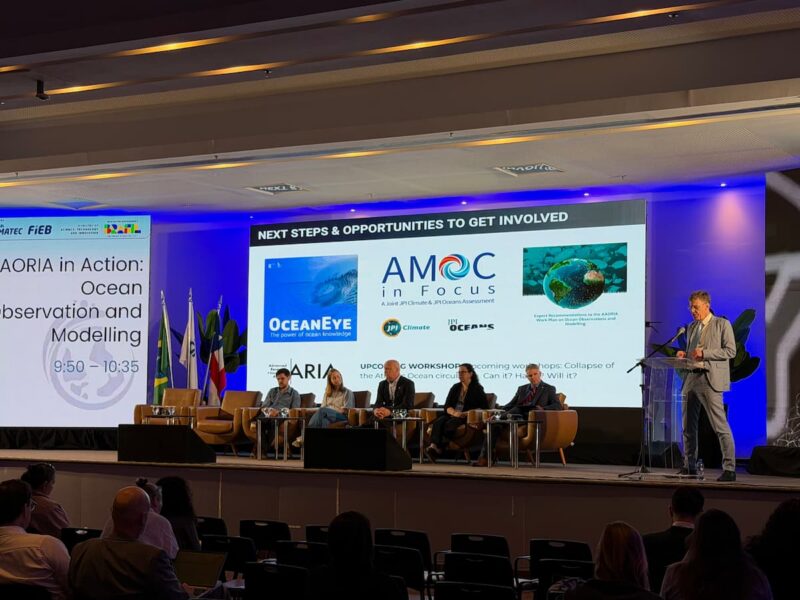
The opening session included James Morrison, Director for Healthy Planet at the European Commission’s Directorate-General for Research and Innovation, who described ocean observation as a shared international responsibility. He highlighted the EU OceanEye initiative as part of Europe’s effort to strengthen sustained ocean observations, contribute to global observing systems, and make ocean data more open, shared, and useful for partners across the Atlantic. He also underlined the need to “step up our efforts” on monitoring, noting that the ocean remains far less understood than it needs to be, and highlighted the connection between polar regions and the Atlantic, noting that scientific research will be central to the EU’s Arctic strategy.
Morrison highlighted work on coastal resilience, noting progress made by the All-Atlantic Network of Coastal Resilience Beacon Sites and announced new Horizon Europe support for Atlantic coastal adaptation.
Better data, better decisions
A central message across the Forum was that Atlantic cooperation depends on making ocean knowledge easier to collect, share, and use. Across discussions, participants frequently agreed on a central point: data is needed to support decisions, but that data needs to be accessible.
The ECOP-led session on knowledge gaps explored why existing data can remain fragmented, inaccessible, or difficult to use across disciplines, time periods, and formats. Speakers called for recognition of community and local ecological knowledge as valuable evidence, to improve open-data systems so they are genuinely usable, and build capacity in countries and communities that are often asked to provide data but do not always benefit from it. The session also discussed emerging technologies, including robotics and artificial intelligence, which could help collect information from deep-ocean and coastal environments that remain difficult and expensive to observe.
Ocean observation and modelling discussions showed why these gaps matter. A dedicated session focused on the Atlantic Meridional Overturning Circulation, or AMOC, a major ocean circulation system that moves heat, salt, carbon, nutrients, and other properties through the Atlantic and beyond. Speakers linked changes in AMOC to safety, security, economic well-being, food systems, infrastructure, and climate adaptation, stressing the need for sustained observations, long-term arrays, stronger data sharing, and closer links between observations and models.
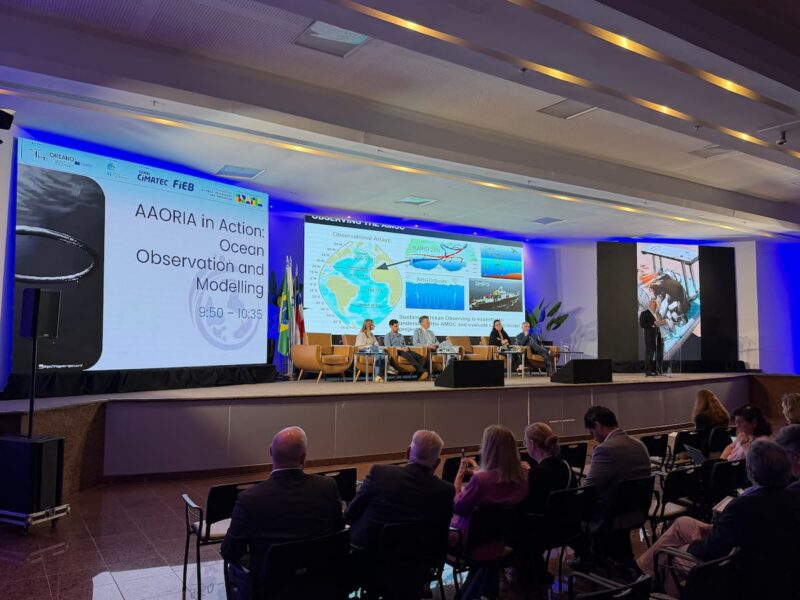
The discussion also connected AMOC observing to wider ocean observation and EU efforts. Speakers also touched on the links between the AMOC and polar seas – a topic which was more broadly discussed in the session “Our linkages with the polar seas.” Here, Ronaldo Christofoletti (Federal University of São Paulo) framed the Atlantic as a basin that runs from pole to pole. Panellists highlighted that polar change is not remote from Atlantic priorities. Currents, biodiversity, fisheries, coastal resilience, sea-level rise, and climate impacts are all shaped by processes in the Arctic and Antarctic. They also raised the need for more system-level thinking, with coastal, open-ocean, and polar research treated as connected parts of the same ocean system rather than separate fields.
The same data-to-decisions theme also ran through discussions on sustainable blue economies. The joint AAORIA/UN Global Action Network on Aquatic Foods for Food Security and Nutrition session focused on how science can support healthier, safer, and more sustainable aquatic food systems, from improving consumer trust and traceability to strengthening fisheries governance and sustainable aquaculture. A separate panel on circular, sustainable, and inclusive ocean economies explored how ocean observation can help governments make more informed choices on offshore development, marine protected areas, risk assessment, and investment in local ocean science capacity.
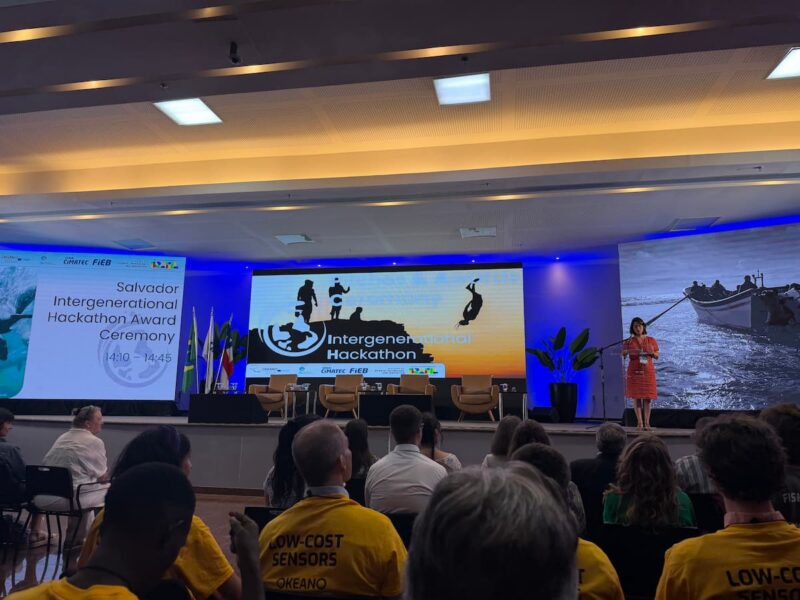
Making data useful was the central theme of the All-Atlantic Intergenerational Hackathon, held the two days before the Forum. For the GEO Blue Planet Sargassum Challenge, ECOPs and experienced ocean professionals explored how the Sargassum Information Hub and Copernicus Marine Service data could support more accessible, user-centred Sargassum information tools.
The team included Franziska Elmer (Seafields Solutions Limited), Paola Diaz Canales (Center for Research in Marine Sciences and Limnology at the University of Costa Rica), and Winnie Sowah (University of Ghana), supported by EU4OceanObs.
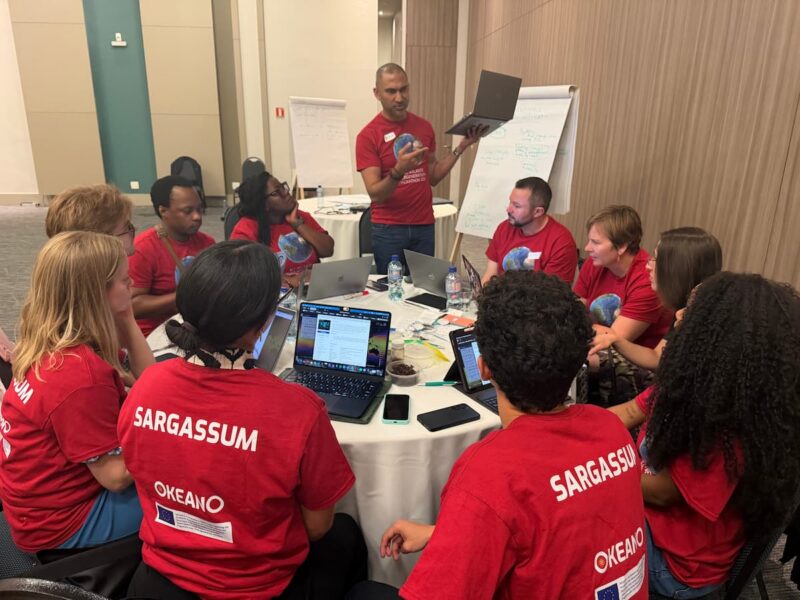
The SAR’GO Team work hard for 24 hours to deliver an innovative prototype solution based on accessible communication and dissemination for end-users. They called their solution SAR’COMM standing for Sargassum Communication and Communities: making Copernicus Marine Service data on near real-time monitoring of Sargassum floodings in the Caribbean and West African coasts the most available, adapted to local language and diverse levels of knowledge and expertise. For their 7-min pitch in front of a high-level Jury, they won at the Award Ceremony the “Communication & Storytelling” Award in plenary on the last day of the Alliance Forum. They also had the opportunity to present a 2-minutes pitch to all participants of AAORIA 2026.
From Brazil to the United Kingdom
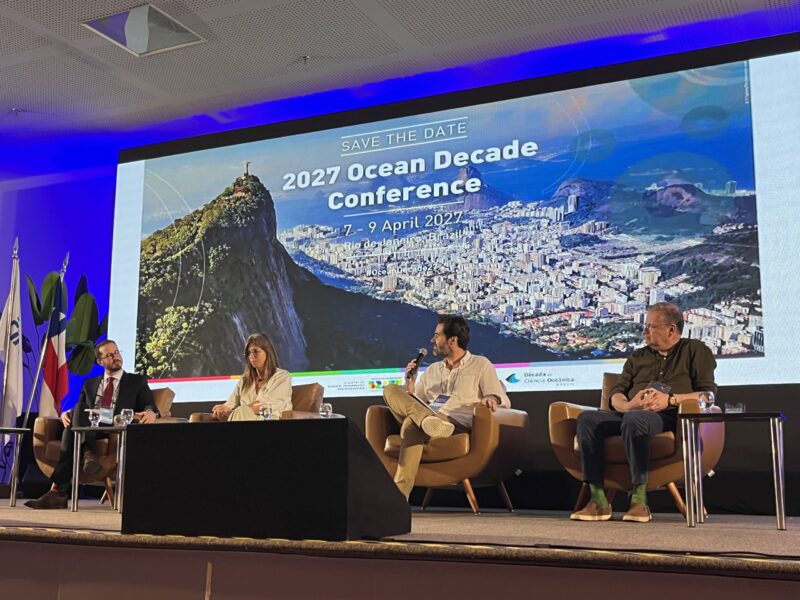
The Forum reaffirmed AAORIA’s commitment to collaborative, outcome-driven ocean science. Participants explored several proposed activity areas, including biodiversity conservation and marine spatial planning, an Atlantic Latitudinal Mesocosm Network, and coordinated All-Atlantic food web modelling. They also called for renewed engagement with the EU Horizon Project AtlantOS and recognised ocean literacy as a foundation for stronger public engagement. Looking to 2027, they highlighted the 2027 UN Ocean Decade Conference as a major opportunity to showcase Atlantic science, co-produced knowledge, intergenerational action, and practical ocean solutions. They also welcomed the United Kingdom as host of the 2027 AAORIA Forum.
Credits: Brazilian Ministry of Science, Technology and Innovation (MCTI), the OKEANO CSA and CNPq.
Credits: Brazilian Ministry of Science, Technology and Innovation (MCTI), the OKEANO CSA and CNPq.