
Monitoring Zooplankton – an essential climate indicator
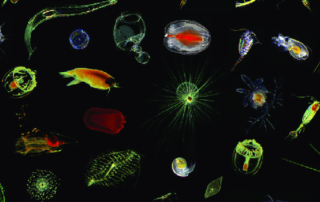
Monitoring zooplankton and their changing dynamics due to ocean warming can improve our understanding of marine ecosystems under a changing climate and better inform ocean conservation actions.
25 January saw the launch of EMODnet's fully unified marine data service, integrating all of its 7 thematic services into one single portal with major functionality upgrades, including a common map viewer.
From satellite and in situ observation, to monitoring and forecasting services, to data access and cloud services, to marine and coastal derived applications and services, the case studies will highlight the European Union’s contribution along the value chain. Apply to develop one or several case studies for the following 4 topics: Marine Litter, Eutrophication, Fisheries Management and Arctic Sea Ice.
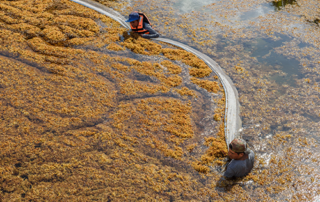
Large influxes of Sargassum on beaches and in coastal areas in the tropical Atlantic Ocean are increasingly harming marine ecosystems, disrupting coastal activities and impacting local communities. The EU4OceanObs case study presents how the Earth observation value chain can help understand the Sargassum basin-wide spread, its impacts and inform mitigation and adaptation strategies.
Themed Local Action in Support of Global Traction, the 5th Symposium was specifically geared towards improving GEO Blue Planet’s engagement with African nations in an effort to expand the Earth observation community of practice, strengthen local capacity and provide access to resources, tools and services related to the use of ocean and coastal observations for societal benefit.
Day one of the meeting discussed the ocean-climate-biodiversity nexus with sessions on progress and new findings related to Digital Twins of the Ocean and new frontiers of ocean observation. Day two gave special focus on evaluating the current structure and G7 FSOI´s main priority areas.
The first Ocean Partnership Forum between Canada and the European Union was from 3 to 4 October 2022. Bringing together high-level representatives and managers of ocean observing and data organisations, the meeting served to strengthen cooperation on areas of mutual interest and benefit on the theme of ocean observation and data sharing.
Intensifying the monitoring of the Arctic region and prediction of its future state is more than ever needed to inform mitigation and adaption actions and rapidly increase conservation efforts. Find out about the European project - Arctic PASSION and its contribution.
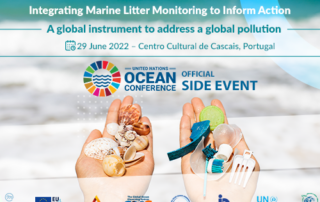
An official UN Ocean Conference 2022 side event, the event focused on marine litter observation, remote sensing and modelling as key pillars for supporting the establishment of realistic plastic litter reduction targets and developing policies to reach these targets.
Europe is building a digital twin of the ocean - a dynamic interactive replica of the ocean that will provide tailored ocean knowledge for better decision making to restore marine and coastal habitats, support a sustainable blue economy, and mitigate and adapt to climate change